

Whether you live near Georgia’s coast or far from it, seafood is an important part of a healthy diet. It is high in protein, essential vitamins and minerals, and omega-3 fatty acids that support heart and brain health. Marine Extension and Georgia Sea Grant offers resources to help you choose, prepare, and enjoy seafood safely and confidently.
Why Eat Seafood?
Seafood is rich in protein and essential micronutrients and naturally low in carbohydrates. Omega-3 fatty acids found in many seafood species can reduce the risk of heart disease and stroke and support healthy neurological development in infants and children.
The Dietary Guidelines for Americans recommend eating at least 8 ounces of seafood per week (2–3 servings), with up to 12 ounces per week for pregnant and lactating individuals. Most Americans eat far less than recommended, but adding seafood to your weekly meals can provide important health benefits.
Resources
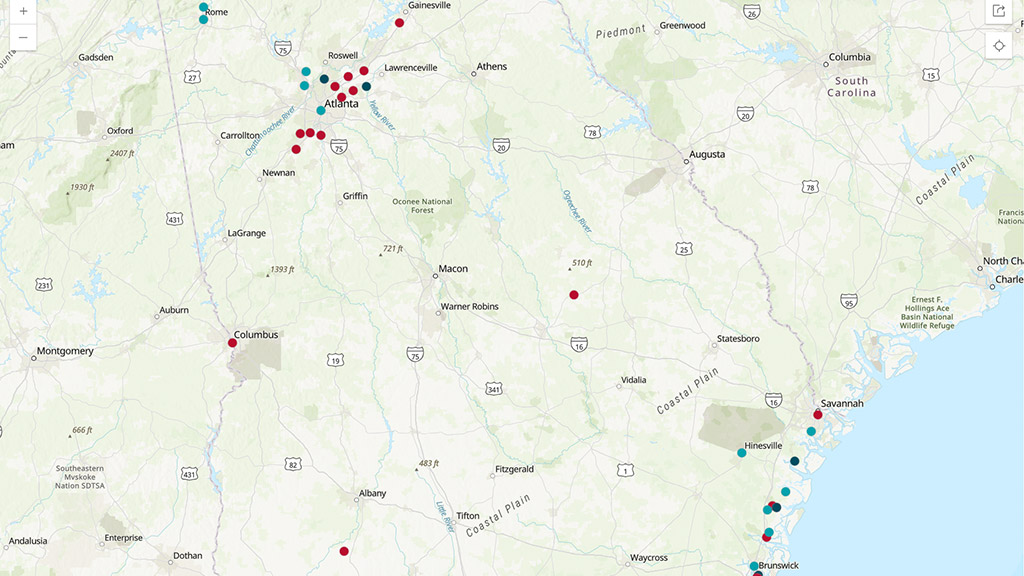
Georgia Seafood Directory
Looking to buy fresh, local seafood? Use the Georgia Seafood Directory to find fishermen, farmers, processors, and retailers across the state.
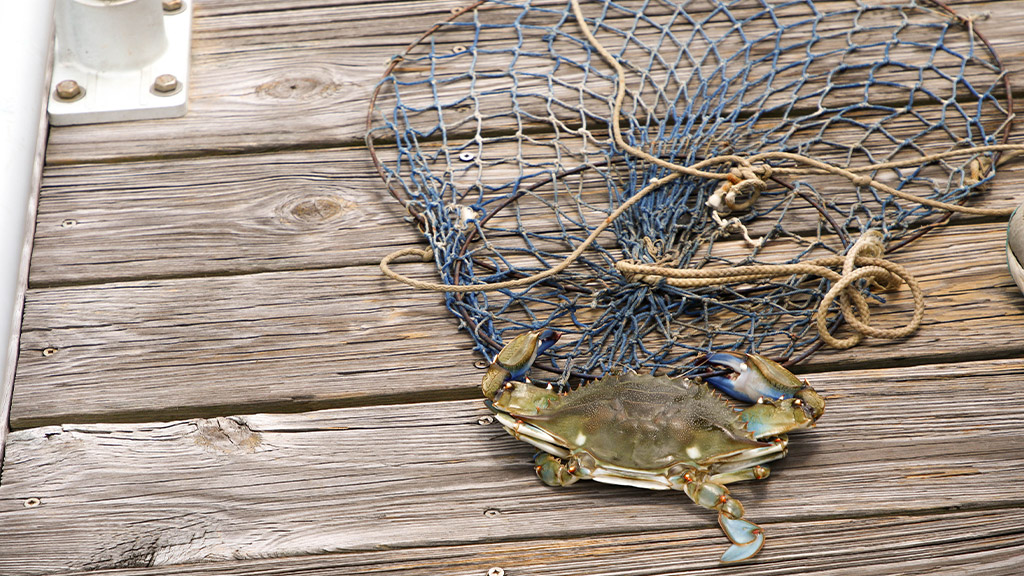
Recreational Fishing Resources
Interested in catching your own seafood? Check out this page for fishing maps, recreational guidelines, resources and tips for where to find different species and how to catch them legally.
Seafood Consumption Guidelines for Glynn County
State and local agencies test fish for contaminants such as mercury and PCBs. Most seafood is safe to eat, but advisories help you make informed choices when catching your own fish.
Do you live in Glynn County? The area has a strong industrial past, and manufacturing activities have impacted the marsh environment. Eating seafood is healthy and it is part of the coastal culture, but, when fishing for your own catch, it is important to know which species can be eaten frequently, and which should be dinner less often or not at all.
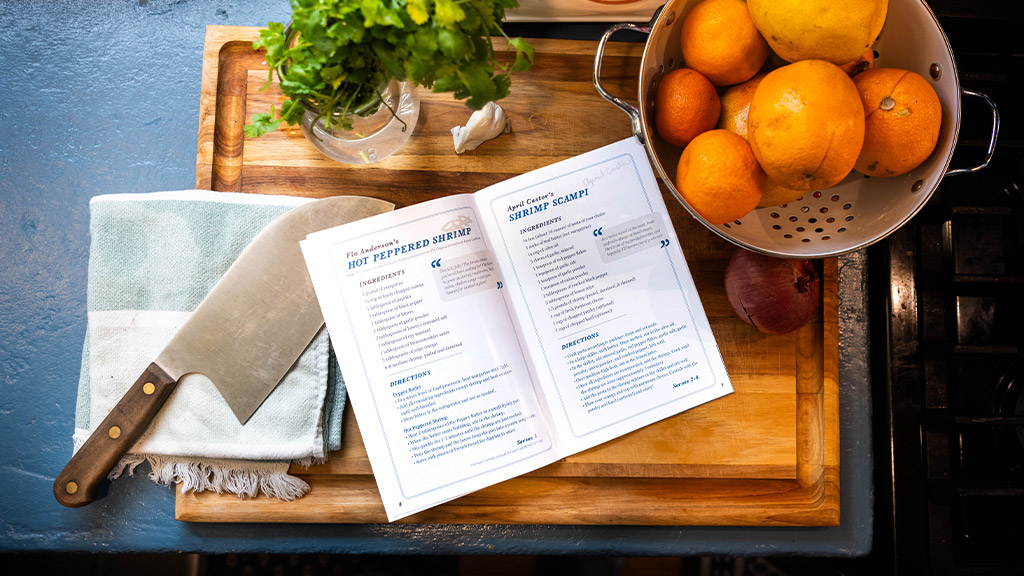
Recipe Fact Sheets
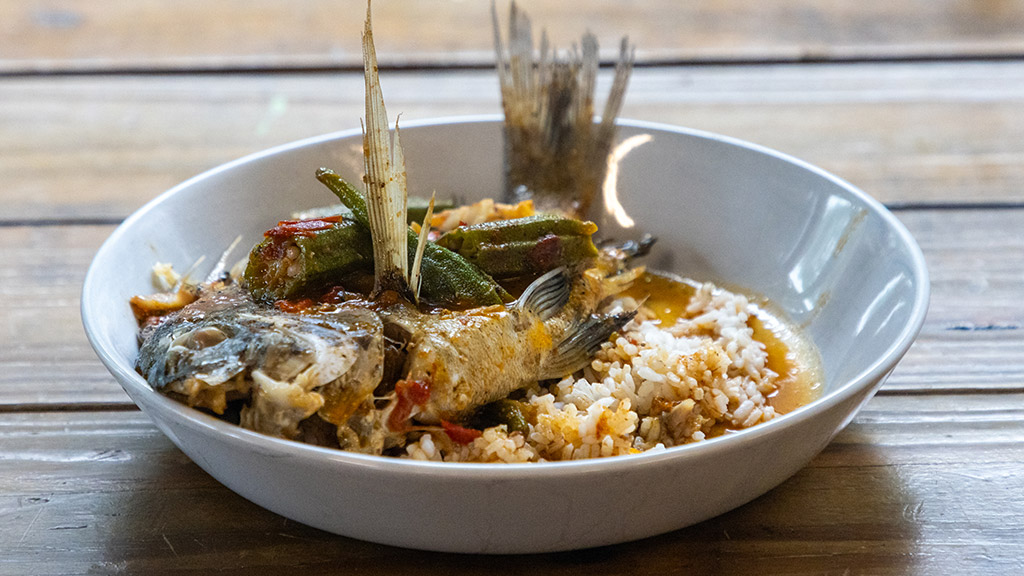
Discover easy and flavorful ways to prepare Georgia seafood at home. Download Georgia seafood recipes, explore cooking tips, and learn about the ecology and nutritional benefits of oysters, shrimp, clams and finfish.
SafeOysters.org
The Safe Oysters website is designed to be an educational resource for health care providers, food and health educators, consumers, fishermen and commercial processors who want to learn about and prevent Vibrio vulnificus infections.
