

Improving water quality along Georgia’s coast requires strong partnerships and informed communities.
Marine Extension and Georgia Sea Grant’s water resources program advances collaborative research by engaging stakeholders and developing educational resources and programs that inspire stewardship and deepen appreciation for the science that sustains Georgia’s waterways.
Our specialists address issues affecting water resources, including marine debris and contaminants of emerging concern, through education and coordinated planning efforts. By bringing together educators, technical experts, and community leaders, we create workshops, lesson plans, and outreach campaigns that enhance water quality and support the long‑term health of Georgia’s coastal and freshwater environments.


Resources
Brunswick/Glynn County Exposure Study
Coastal Glynn County is home to four hazardous sites on the United States EPA’s National Priorities List. Toxicants of concern include mercury, the pesticide toxaphene, and Aroclor 1268, all known to persist in the local environment and regional aquatic life, including local seafood. In partnership with local community leaders and environmental groups, a human exposure study was conducted in 2023.
Research published in the journal Environmental Pollution highlights findings. The study shows that some residents in Glynn County, GA have contaminant levels in their blood far above the national average, linking to decades of industrial pollution. The study, led by Emory University, was carried out at the request of Brunswick residents and environmental and community groups. Water Resources Specialist, Katy Smith, co-authored the paper and supported critical community engagement efforts, along with other members of the team.
The study is an important step toward addressing community concerns about local industrial pollution and its impact on environmental and human health. More research is needed to identify possible sources of exposure and whether exposure contributes to certain health conditions.
Broadening communication about the Brunswick/Glynn Exposure Study
In 2026, Healthy Coastal Neighborhoods and Science Journal for Kids published a student-friendly version of the 2025 Environmental Pollution article, “Assessment of human exposure to uncommon industrial toxicants in Glynn County, Georgia.” Water Resources Specialist Katy Smith co-authored the study with Emory University public health researchers and helped develop the new educational resource. Healthy Coastal Neighborhoods, supported by Marine Extension and Georgia Sea Grant and Emory University, works to reduce exposure to industrial contaminants through locally informed outreach. The online resource explains the Brunswick/Glynn Exposure Study in accessible language for middle and high school students, teachers, and community members seeking to understand Superfund issues and the health impacts of industrial pollution.
Recent News
- What’s in it for me? People more likely to help the environment when it benefits them
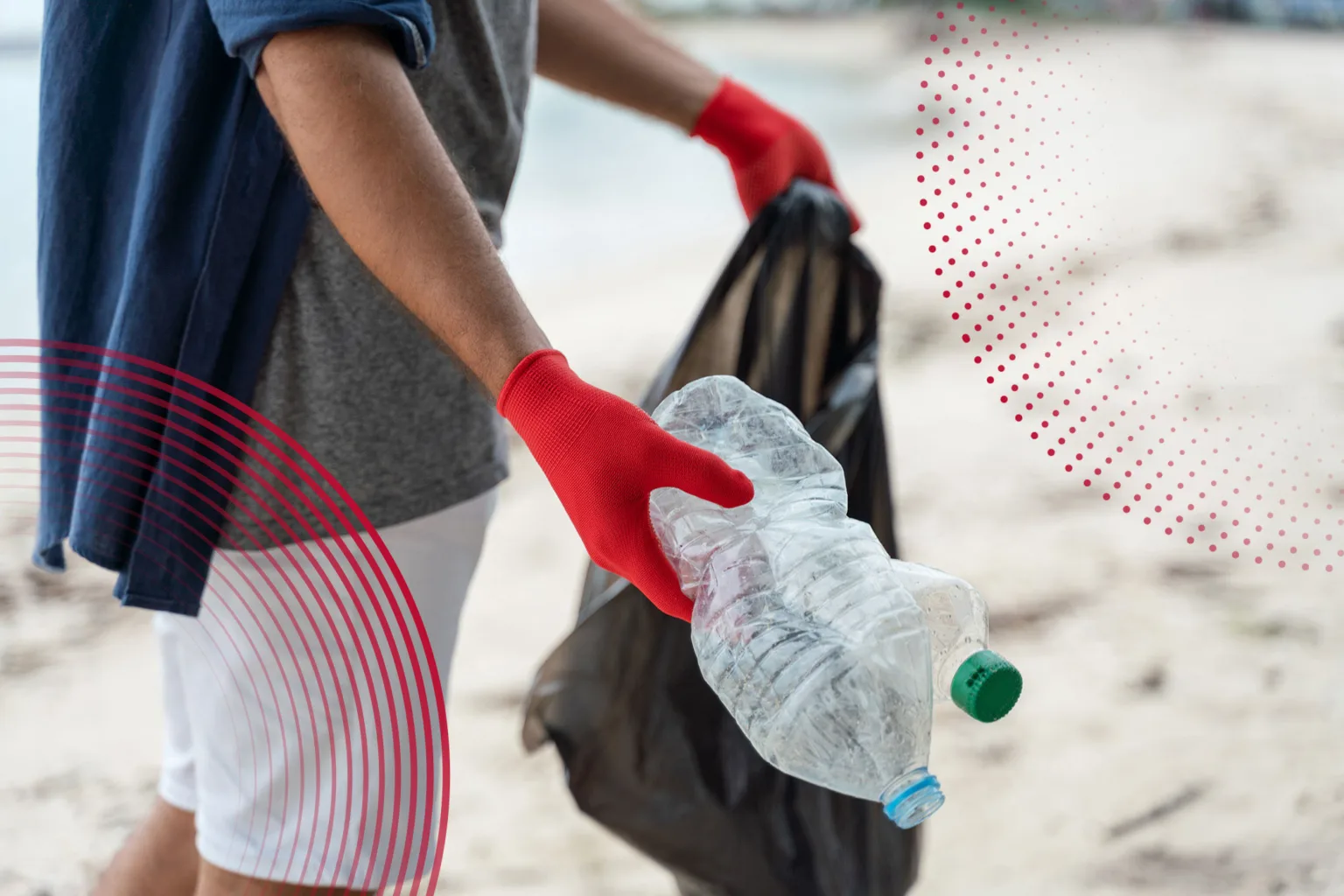 Framing cleanup efforts as a way to meet people, exercise can boost pro-environmental behaviors. People might be more…Read story
 - Seven students selected for Sea Grant Research Trainee program at UGA Marine Extension and Georgia Sea Grant
 Seven students from universities across Georgia have been selected to participate in the year-long Georgia Sea Grant Research…Read story
 - Future teachers and elementary school students learn about wetland ecology
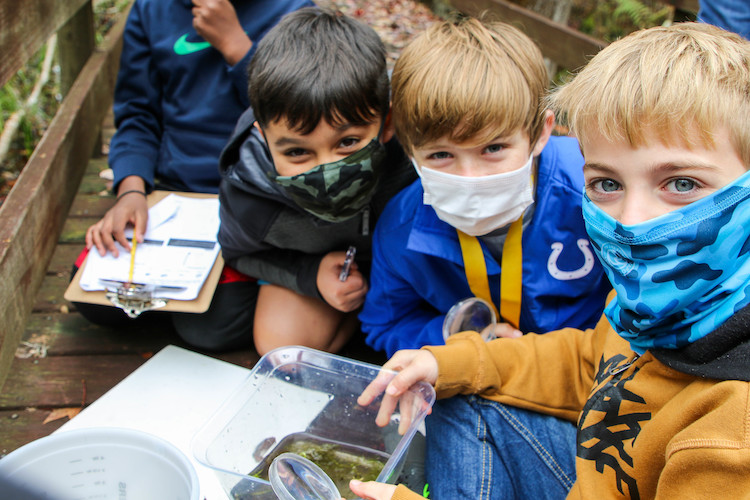 UGA Marine Extension and Georgia Sea Grant is working with students at the College of Coastal Georgia to…Read story
 - Community science supports environmental research
 You don’t have to be a professional scientist with an advanced degree to make a meaningful contribution to…Read story