Artists based in Athens, Atlanta and Statesboro have been awarded funding through Marine Extension and Georgia Sea Grant’s Artists, Writers and Scholars program. Over the next year, they will undertake creative projects that highlight Georgia’s natural resources, the challenges facing them, and the researchers and community members working to protect and sustain them.
The AWS program supports Georgia artists in producing professional-quality art and literature that raise awareness of the state’s marine and coastal environments, deepen understanding of coastal communities, and document the unique history, culture and heritage of the Georgia coast.
Now in its sixth year, the AWS program welcomes its largest cohort to date, with five artists selected for funding during the 2026-27 cycle. Since its inception, the program has supported 21 projects that have been exhibited in museums, galleries and public spaces across Georgia.
This year’s projects focus on the connections between people and place. Through film, photography, painting, sculpture, jewelry and mixed media installations, the artists will highlight research on microscopic organisms, explore human impacts on the environment, and shine a light on lesser-known marine organisms that exist along the Georgia coast.

Linda Duvoisin is an award-winning documentary filmmaker, producer and visual storyteller with more than 20 years of experience creating films for public television, museums, national cable networks and independent audiences. She’s based in Athens and currently serves as a multimedia specialist for the Center for Human Development and Disability at the UGA’s Ralston Institute for Behavioral Health and Developmental Disabilities.
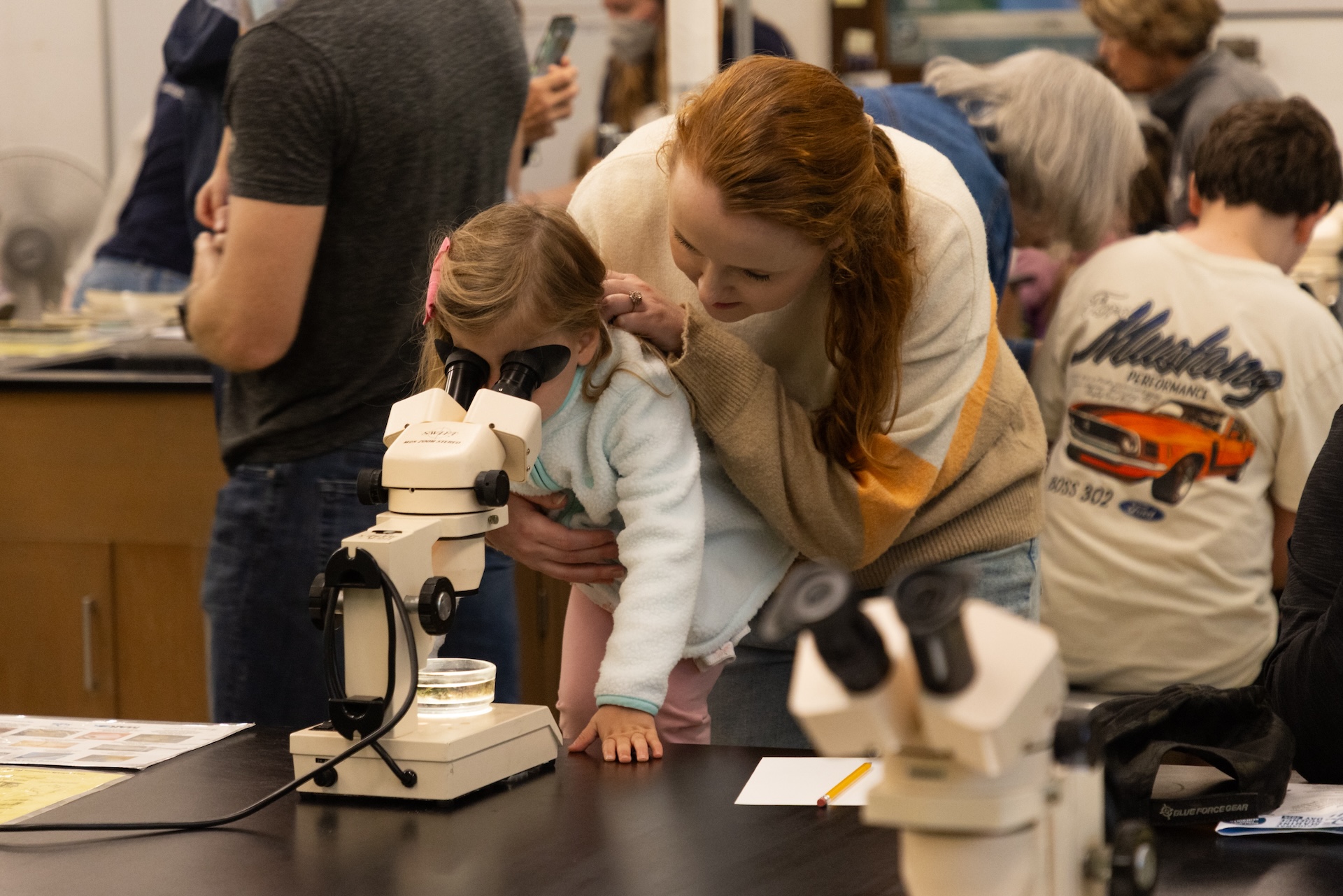
Her project, “Every Thursday Morning,” is a short documentary about the dedicated volunteers of Marine Extension and Georgia Sea Grant’s Phytoplankton Monitoring Network. For more than 20 years, these community scientists have gathered every Thursday to monitor microscopic organisms in Georgia’s coastal waters, contributing valuable long-term data used to track harmful algal blooms and protect coastal ecosystems. Through interviews and storytelling, the film will highlight the important role community science plays in safeguarding Georgia’s coast.

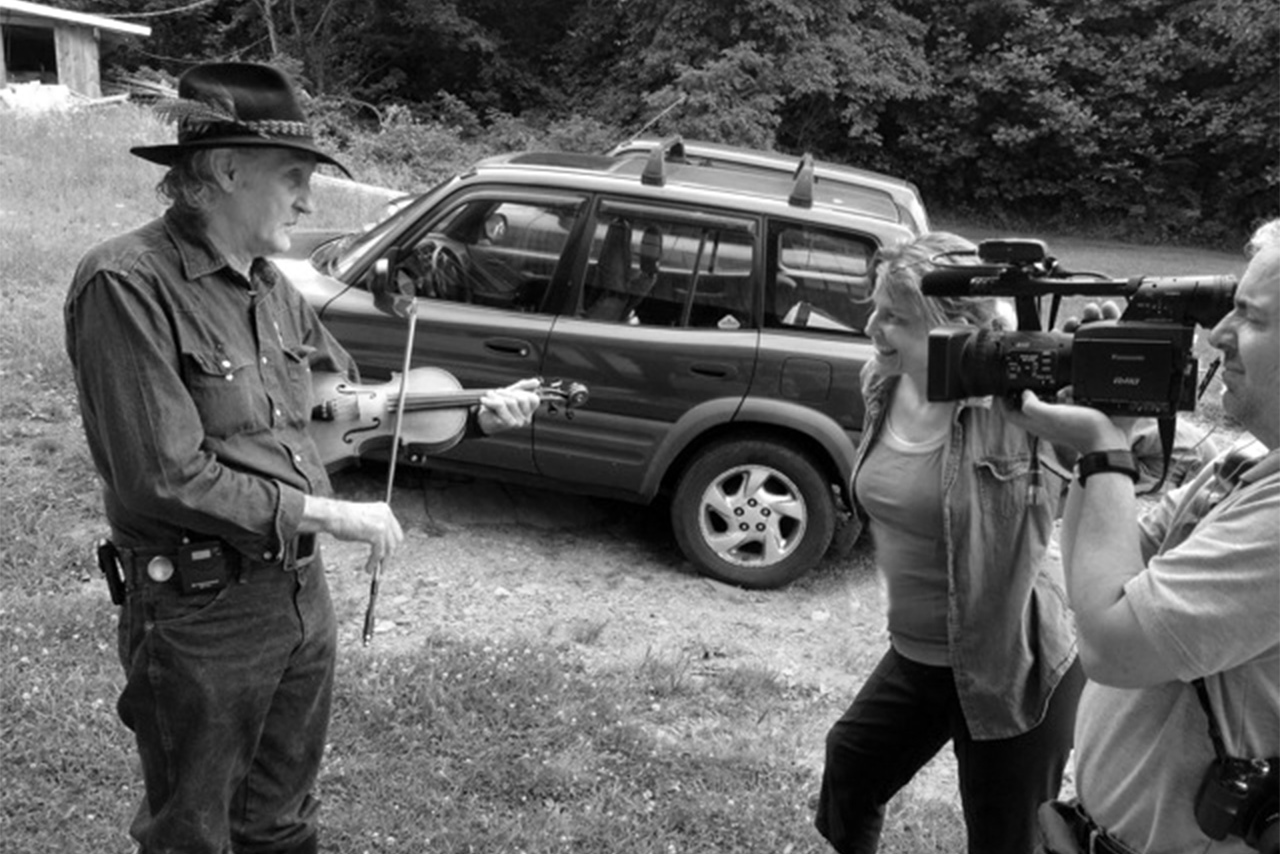

“This short film approaches conservation through community, friendship, humor and shared purpose,” said Duvoisin. “My hope is that by telling a deeply human story, the film will inspire a deeper appreciation for Georgia’s coastal environment and the important role each of us can play in protecting it.”
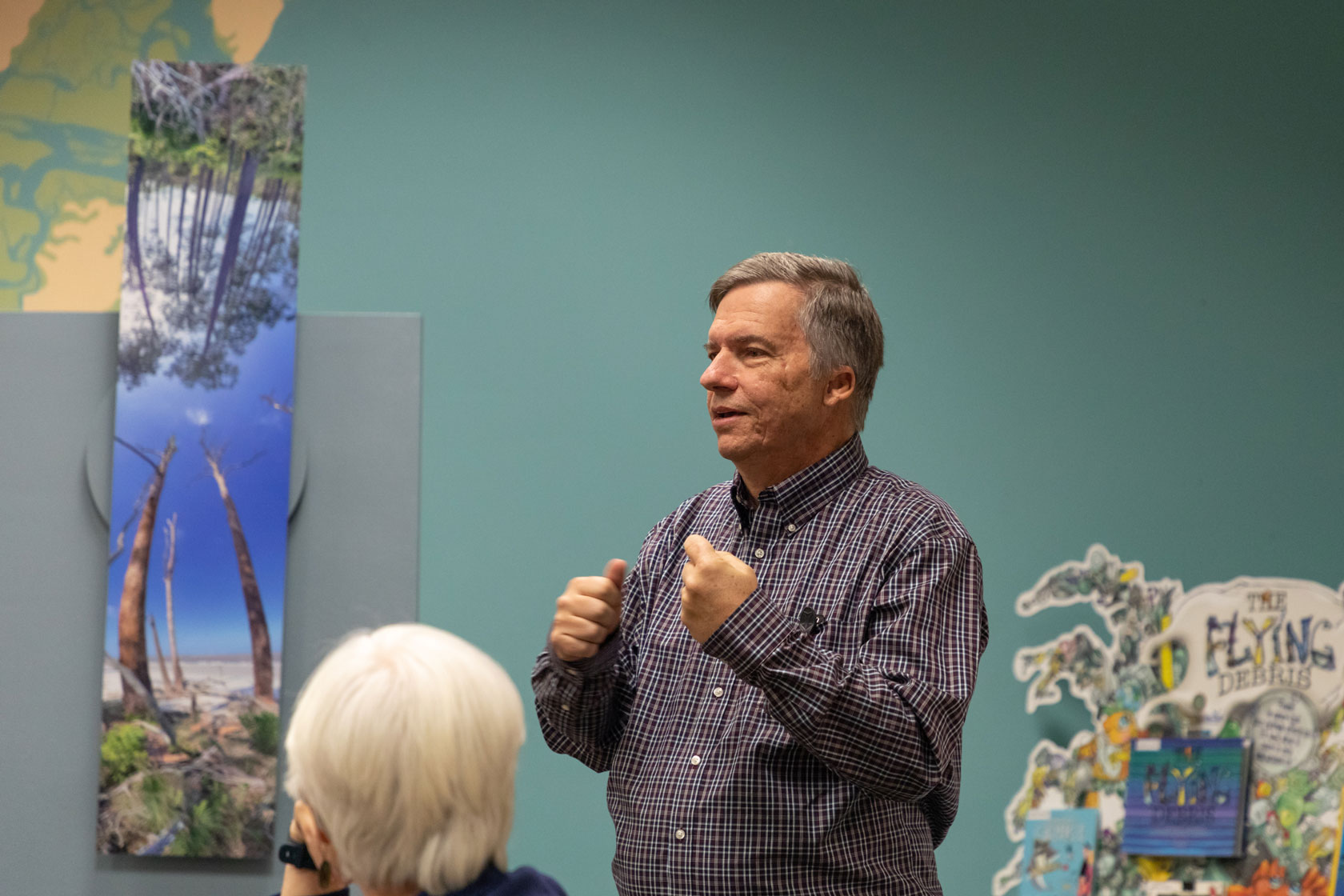
Alan Harvey is a recently retired biology professor from Georgia Southern University. This is the second time he has received funding through the AWS program. Harvey is drawn to the intersection of science and art. His work has ranged from creating large murals highlighting local biodiversity to producing biology-themed documentary films and using invasive plants as both artistic subjects and materials.
His project will call attention to the often complicated relationship between humans and their environment, illustrating how humans both love and fear nature, exploit and protect it, and alter and restore it. To create the work, Harvey will use two unconventional photographic techniques. Anthotypes will be produced on handmade paper created from recycled junk mail and printed using pigments derived from local plants, while chloroprints will be created directly on plant leaves, with images developed using sunlight and the leaves’ natural chlorophyll.
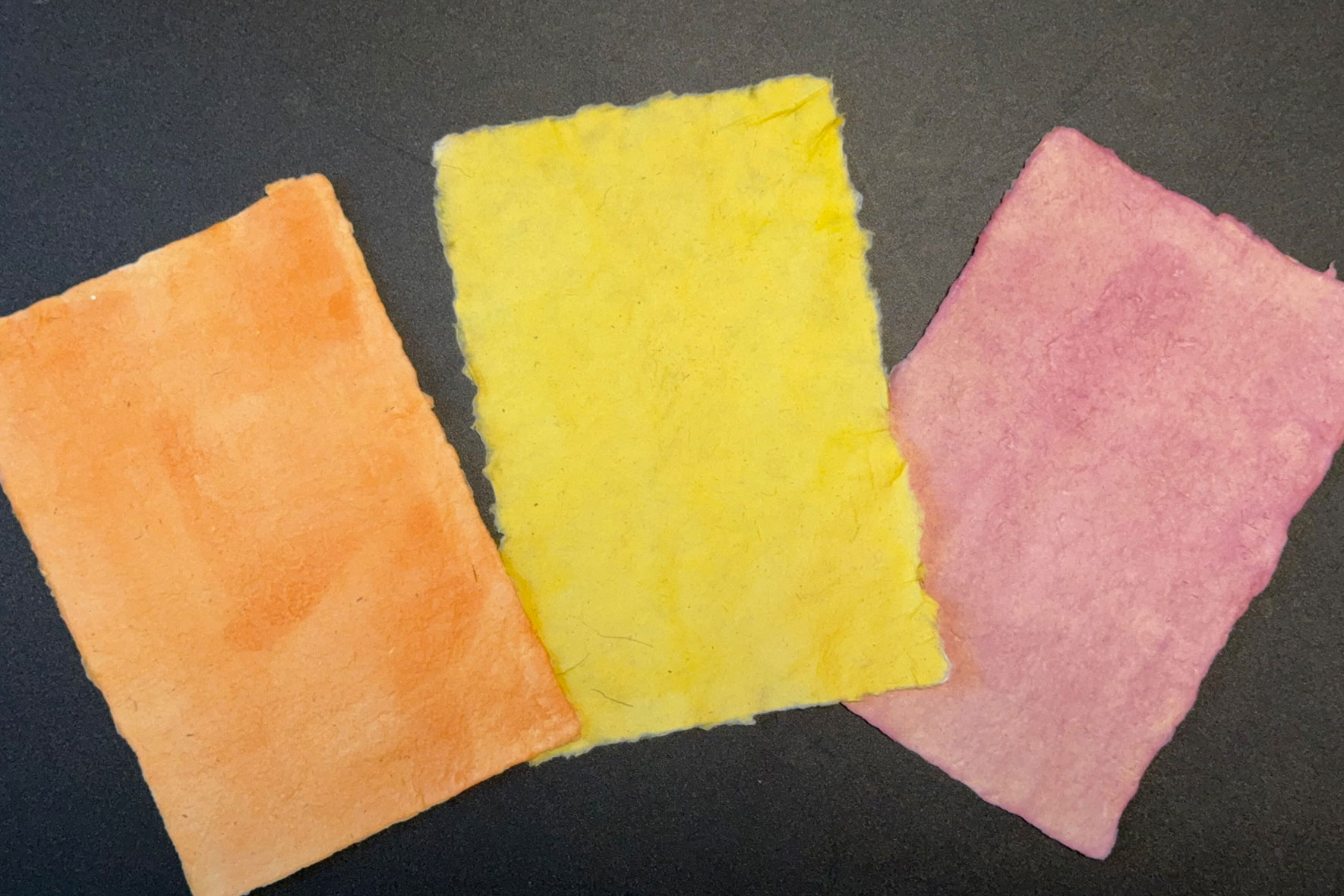
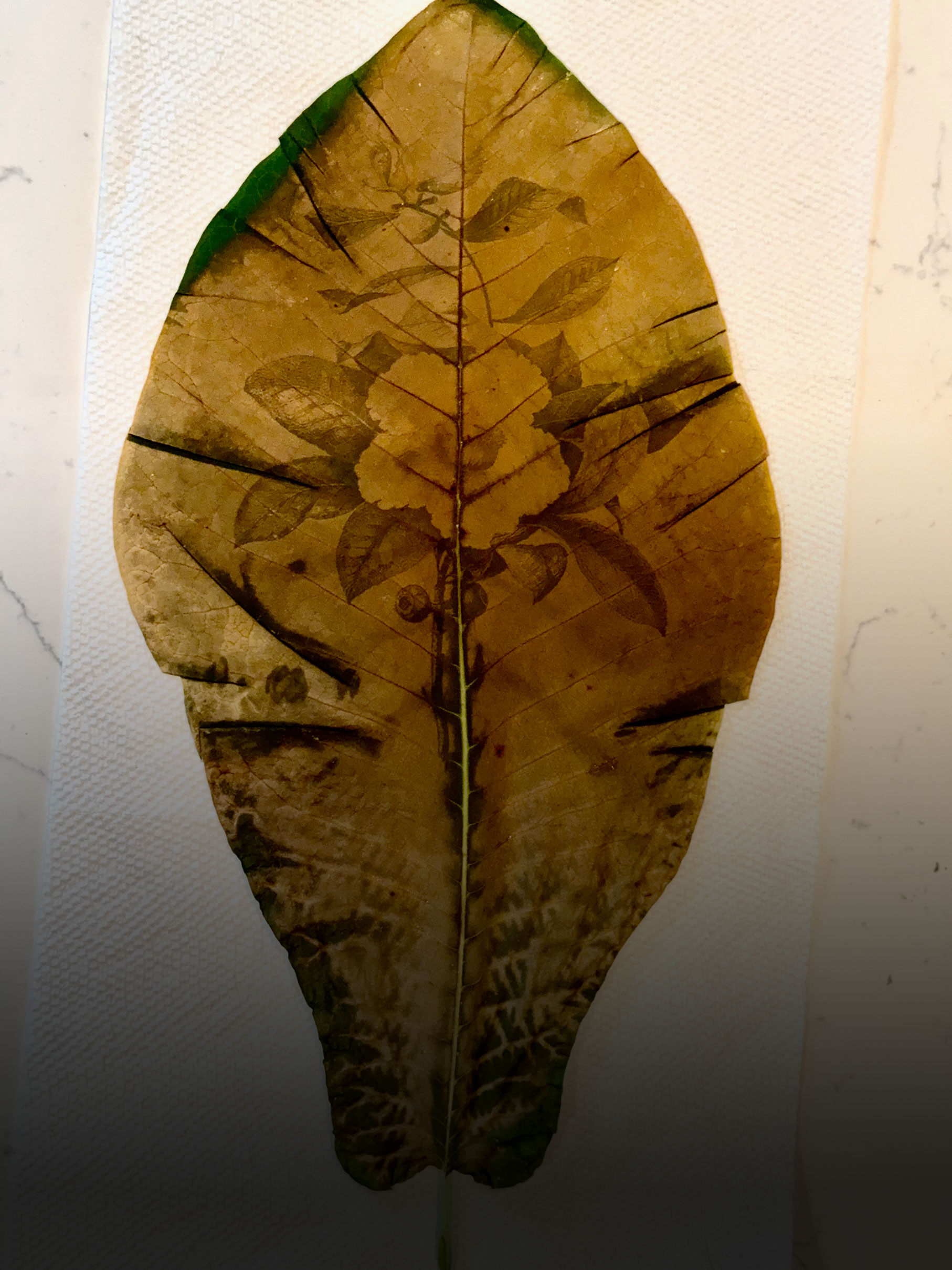
“I’m intrigued by the myriad ways in which people view and interact with the world around them,” said Harvey. “My hope is that using these ordinary items in such an unexpected and unconventional fashion will encourage the viewer to consider this awkward relationship in a new way, and to reconsider what they know about the photographic material itself.”

Mary Johnson is an artist and assistant professor of art at Oxford College of Emory University. Her work includes installations, sculpture and works on paper that explore the entanglement of humanity and the environment. She is particularly interested in collaborations with scientists and academic institutions. Johnson’s artistic practice combines research-based processes with immersive installations and material experimentation.
Her project, “Tidal Confluence,” will consist of eight large-scale cyanotype drawings and a companion installation of cast-glass forms focused on Ulva, a macroalgae commonly found along the Georgia coast. Johnson will develop and tone the cyanotypes using coastal water and sediment, allowing the region’s tannins and pH levels to influence the final palette beyond traditional cyanotype blue. She will also cast Ulva forms in glass using the lost-wax process and arrange them in tidal-inspired installations.
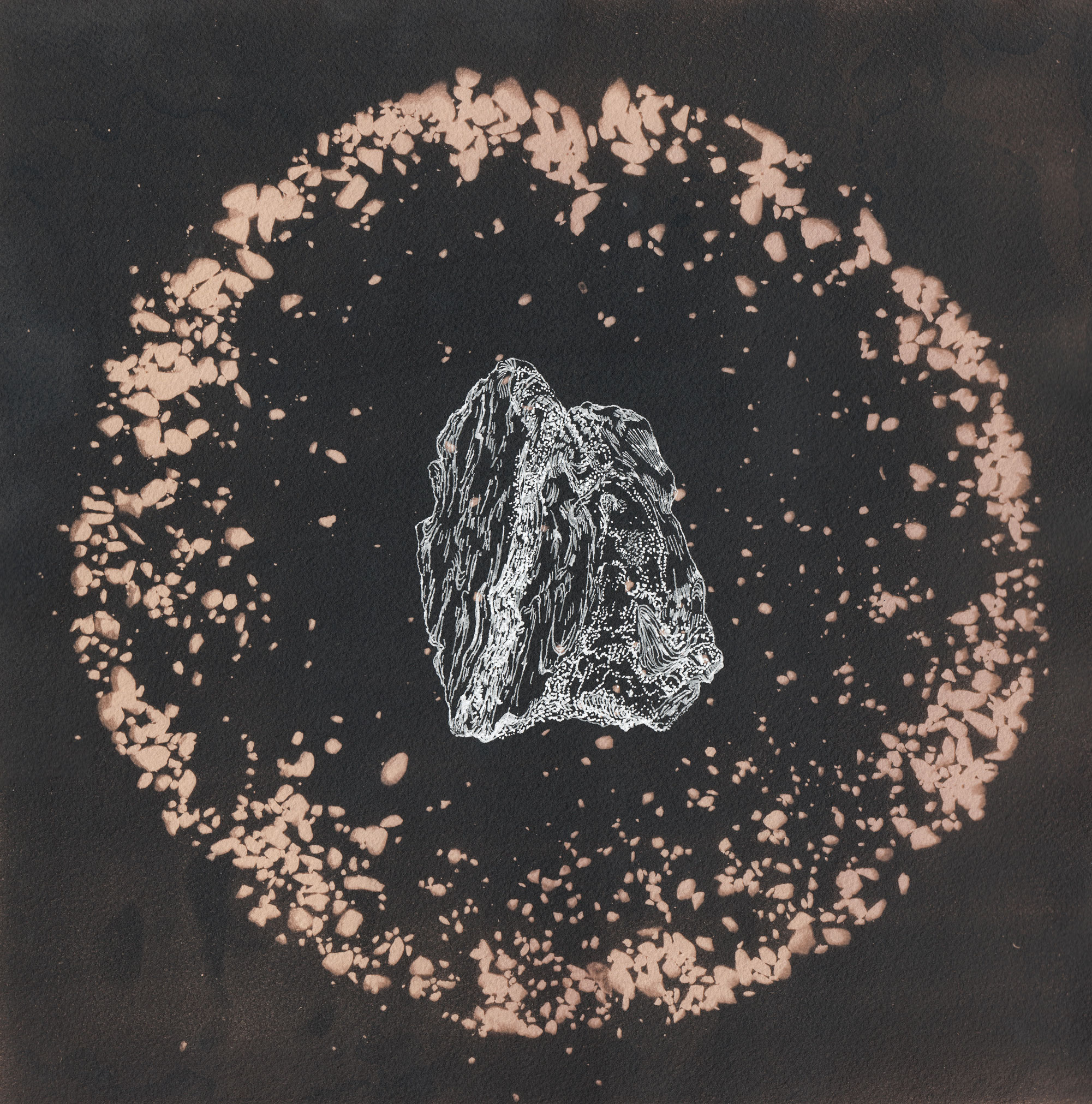
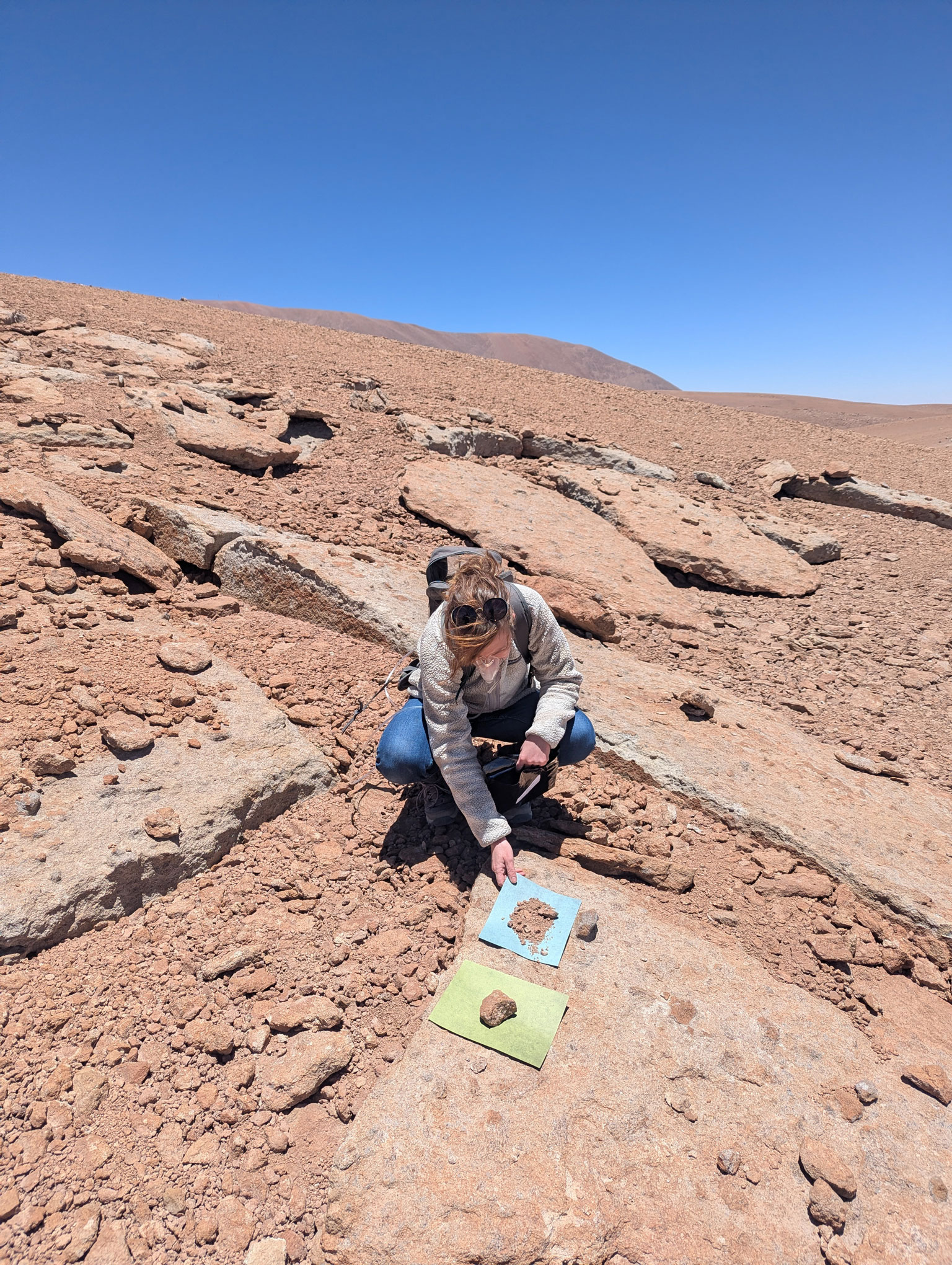
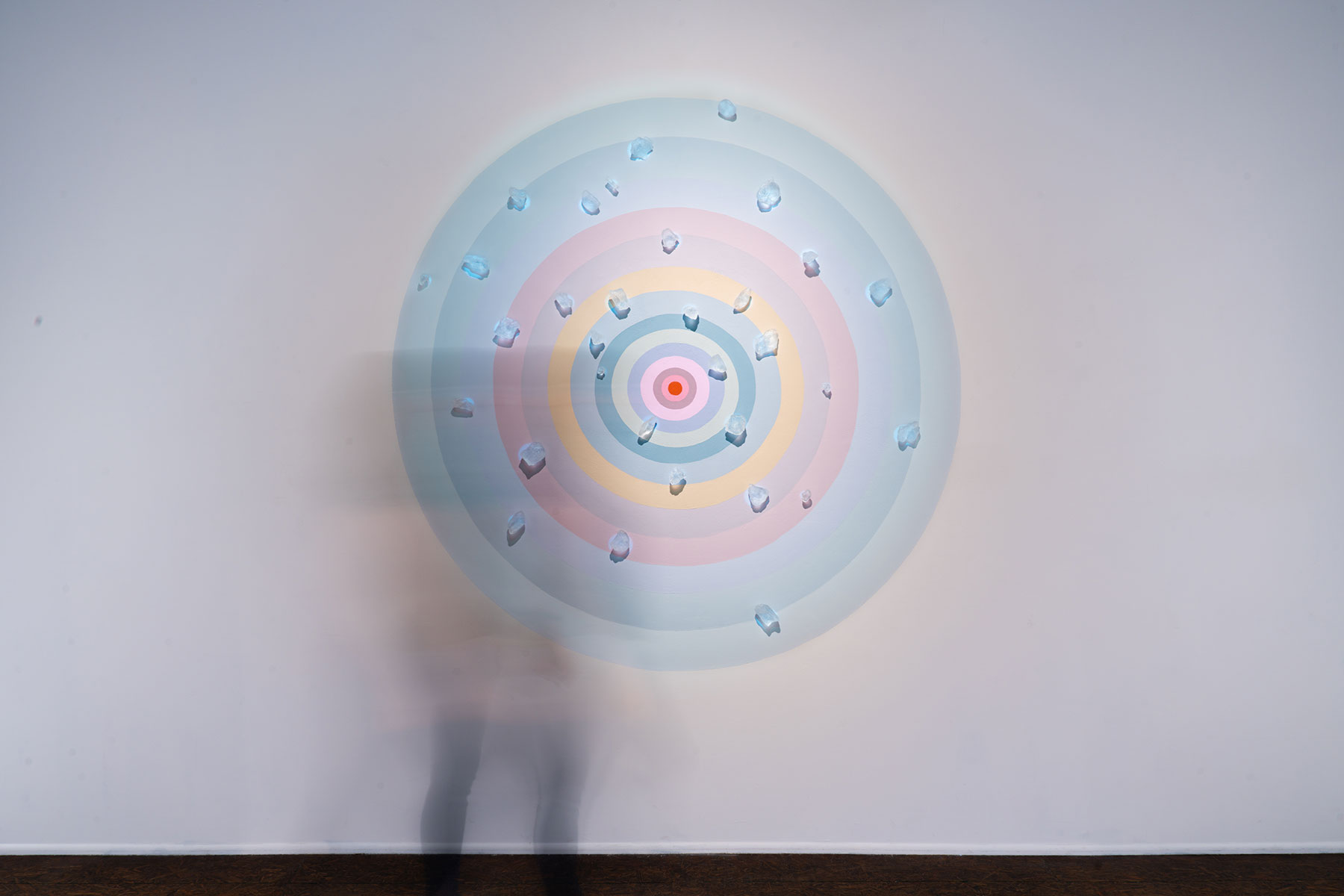
“I want viewers to reconsider the ‘ordinary’ as something sacred and vital, and to walk away with a felt sense of how interconnected we are with even the smallest coastal organisms,” said Johnson. “If we can see these connections and hold these contradictions closely….how might we play a kinder role in our environment, from our neighborhood to the sea?”

Larissa McPherson is a jeweler and artist from Adairsville, Georgia, who currently lives in Athens. She recently earned a Master of Fine Arts degree from the UGA with a concentration in jewelry and metalsmithing. Through her graduate studies she utilized jewelry-making techniques that incorporate animal bones, plastic waste and 3D-scanned specimens from natural history museum collections to investigate environmental issues and material consumption.
Her project will produce a body of sculptural jewelry and an accompanying photographic series that visualizes the accumulation of plastics within coastal animal life along Georgia’s shoreline. By transforming collected plastic waste into wearable sculptural forms and integrating ethically sourced animal bones, the project makes the often invisible impacts of plastic pollution tangible and personal, encouraging viewers to consider how environmental contamination affects coastal ecosystems and wildlife.
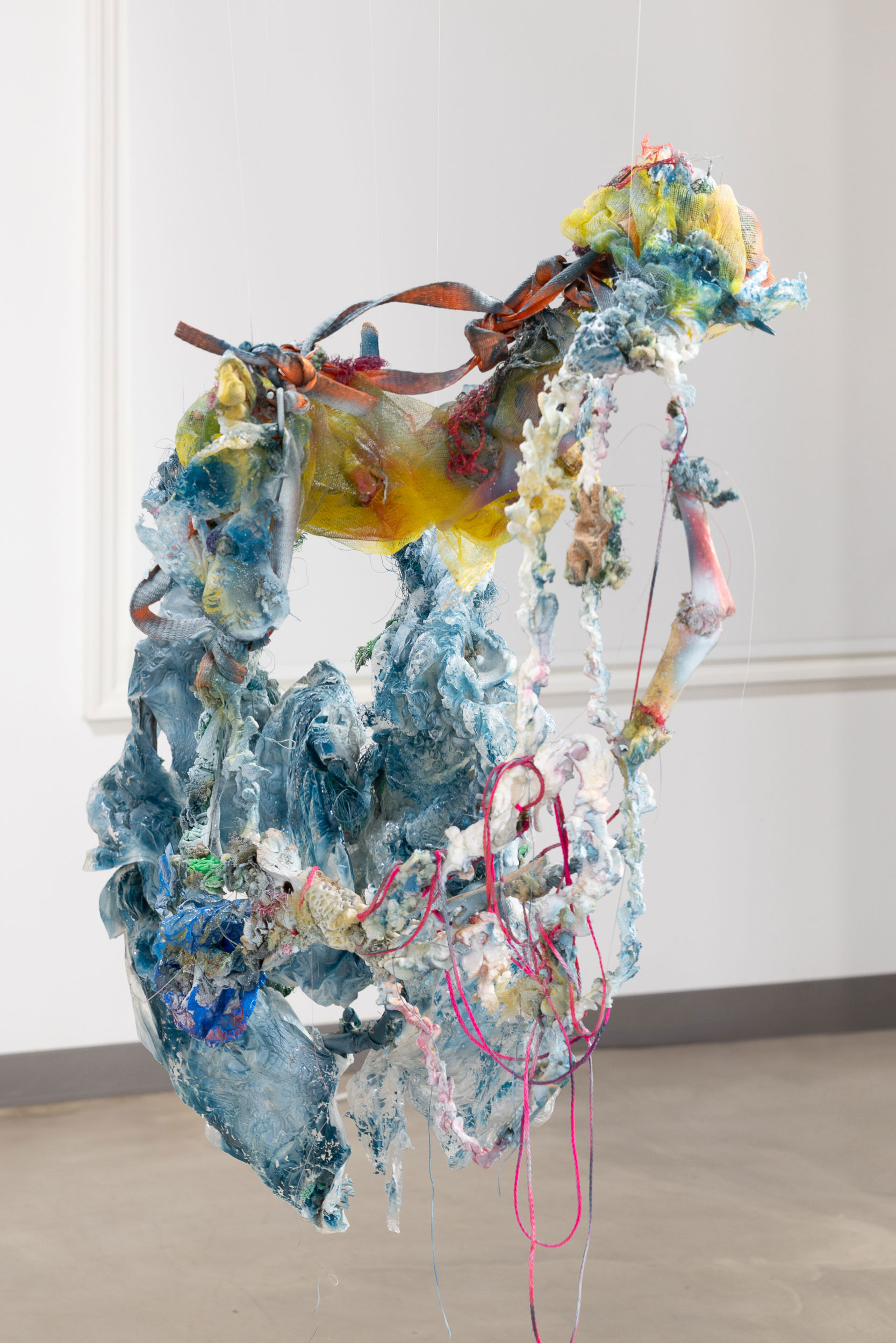
(Photos by Lindsey Kennedy)
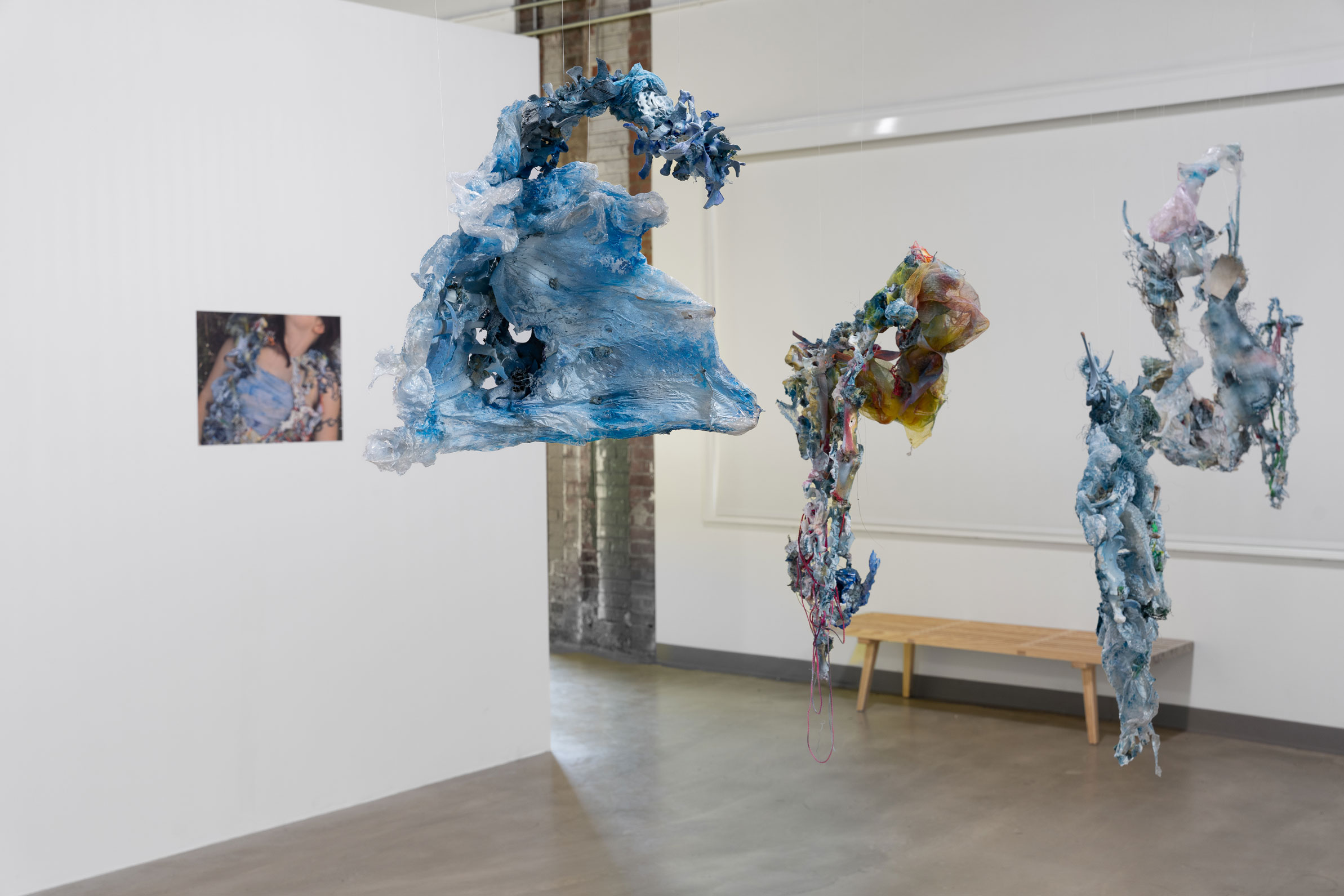
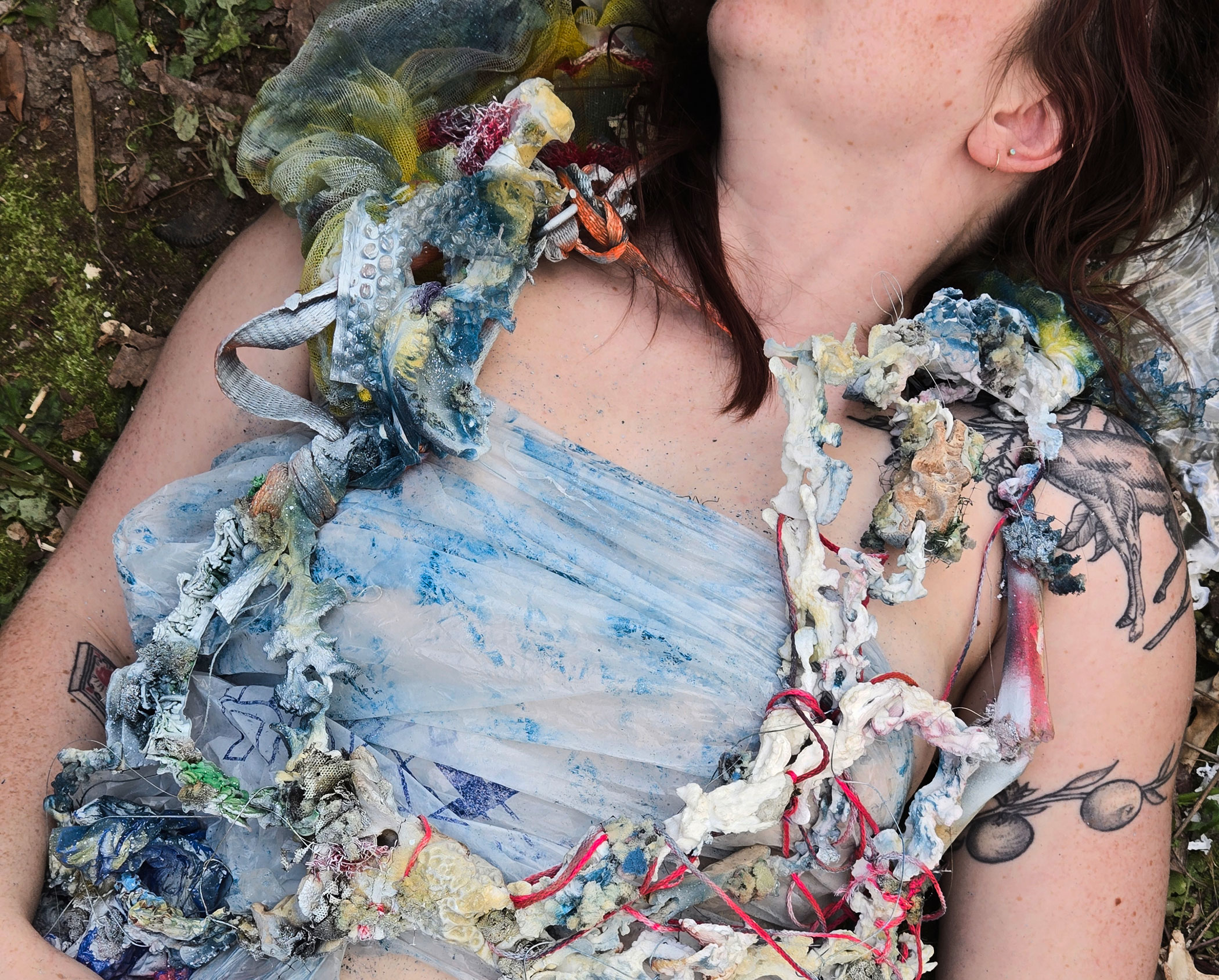
“I hope audiences take away a deeper understanding of the effects of plastic waste and a call to reduce their waste and be conscious of the impact of our choices,” said McPherson.
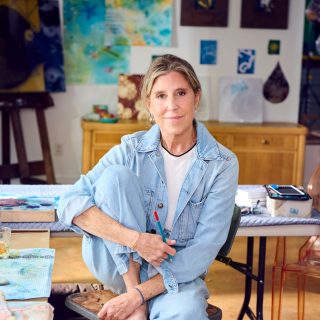
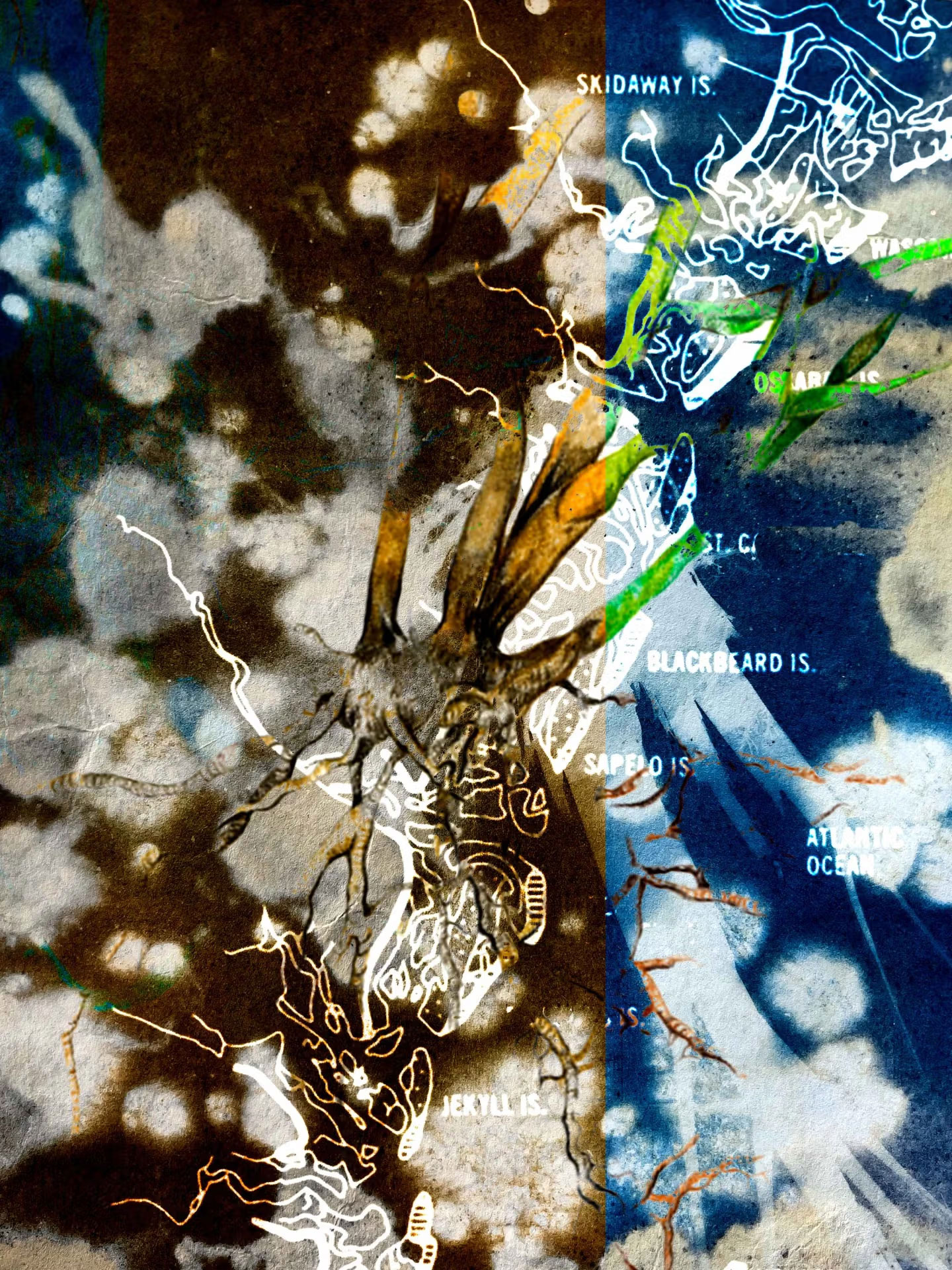
Dana Montlack is based in Atlanta. Her work, which has been exhibited in museums and galleries around the world, explores different topics through layered imagery of microorganisms, scientific data, charts and maps as a way of showcasing the natural world and the role humans play in it. In addition to being an artist, she teaches Visual Arts and Contemporary Art History at Georgia State University. This is the second time she has received funding through the AWS program.
Her project, “Micro-Undercurrents,” explores plankton ecology through a multidisciplinary installation that combines scientific data, photography, cyanotypes, drawing and painting to construct a layered visual narrative of marine environments. The work will be displayed on Georgia Tech’s Media Bridge, a large-scale public media installation in Atlanta. She will collaborate with Adam Greer, an associate professor at the University of Georgia’s Skidaway Institute of Oceanography, who will provide high-resolution zooplankton imagery.
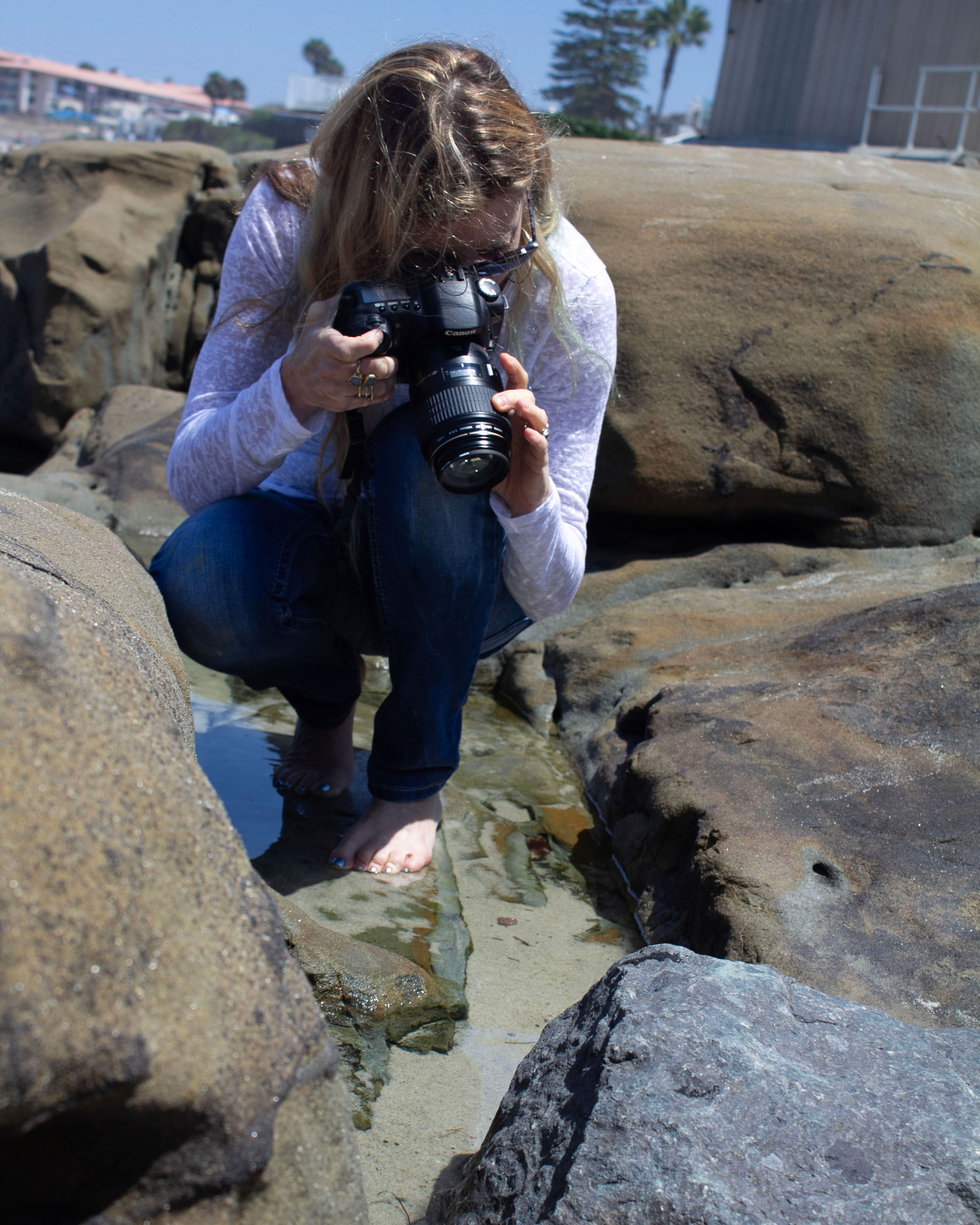
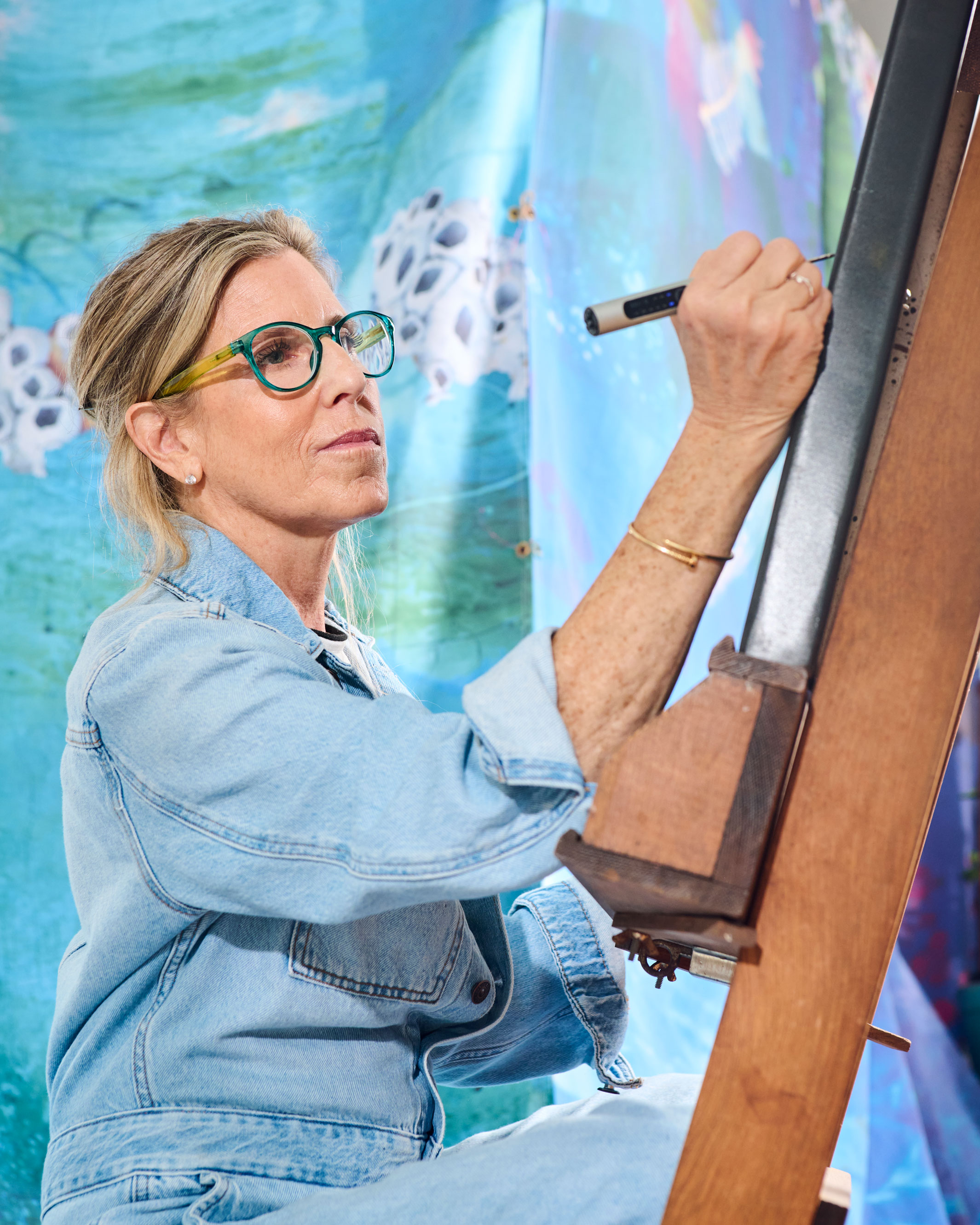
(Studio photos by ELEY Photography)
“I want to invite viewers into a world beyond ordinary perception that is foundational to ocean health,” said Montlack. “Ultimately, I hope the art creates an entry point for curiosity, encouraging audiences to slow down, look closely, and recognize that these vital ecosystems are worth researching and protecting.”
Marine Extension and Georgia Sea Grant will open the next application cycle for the Artists, Writers and Scholars Program in early 2027. The program supports creative projects that interpret and communicate coastal and marine science through a variety of mediums, including visual arts, music, creative writing, film and digital media. Learn more at https://gacoast.uga.edu/aws-program/.